
Click a process to find out more. Deposit quality depends directly on electrical precision.
Gold, silver and precious alloy deposits requiring very fine current regulation for even, repeatable and material-efficient results.
Thick, highly wear-resistant layers. This process calls for high currents that stay perfectly stable over long periods.
Anti-corrosion protection of steel parts. Our rectifiers deliver steady, reliable output on high-volume lines.
Decorative or technical nickel deposits, where voltage stability directly determines the quality of the finish.
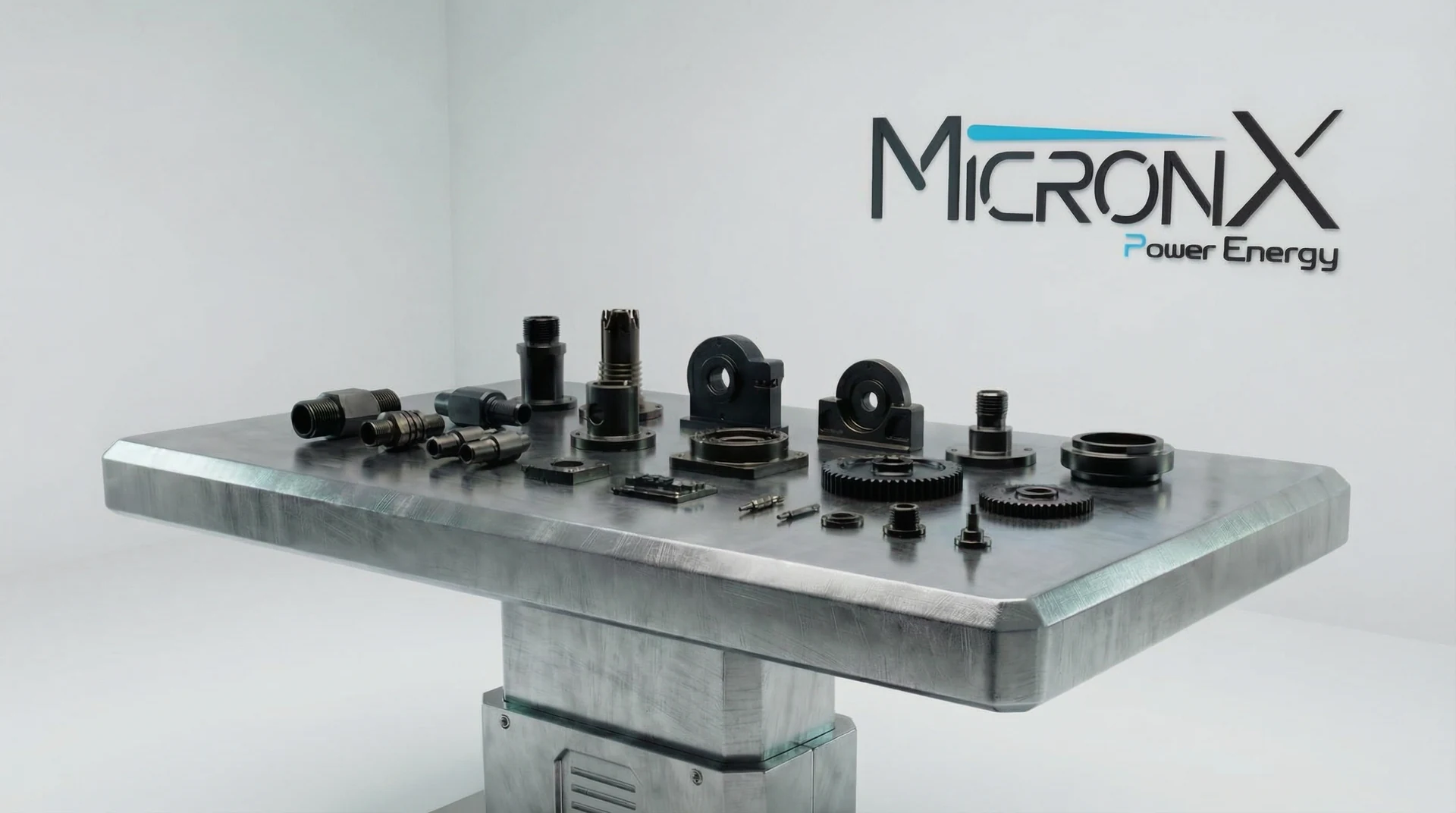
Paint applied by electrodeposition. A controlled power supply ensures a uniform film and excellent coverage of complex parts.
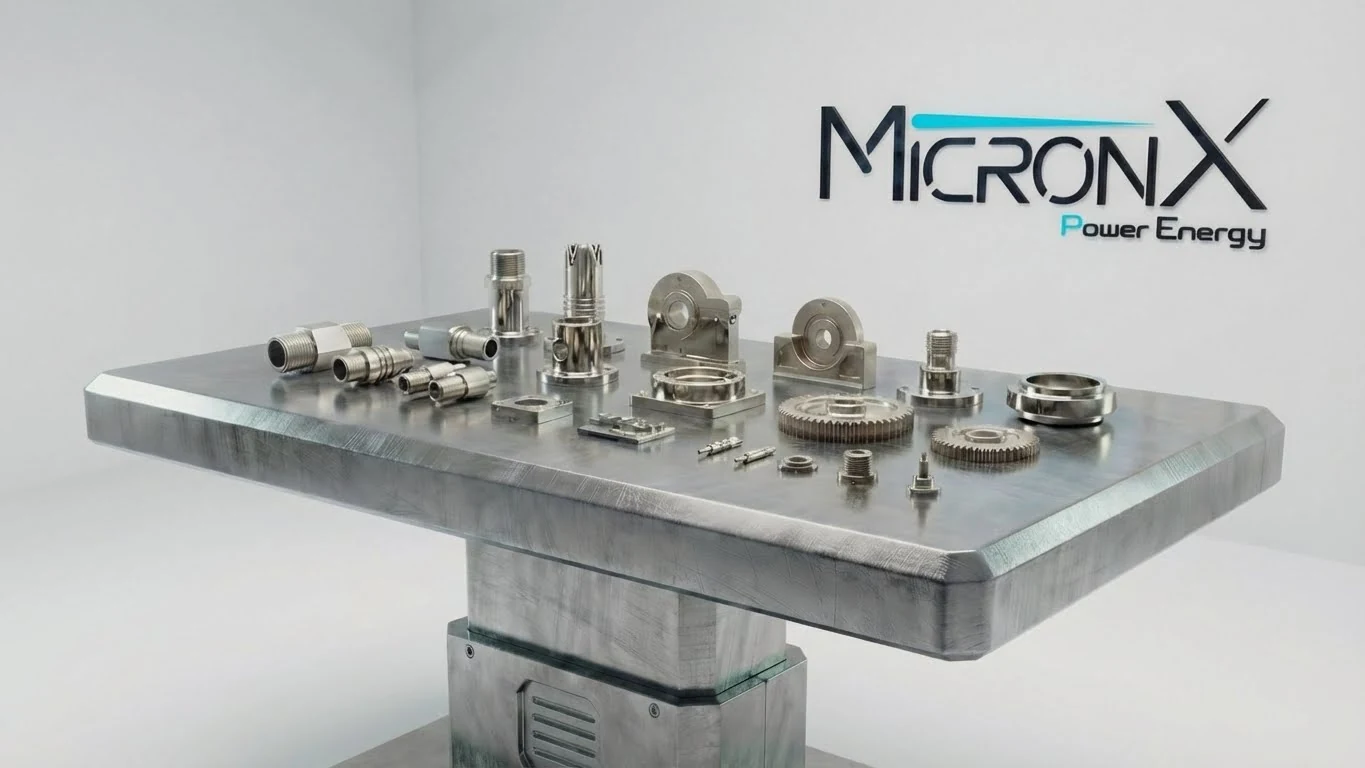
Premium, very bright finish. The process requires low currents that are extremely accurate and stable.
Technical platinum deposits for demanding applications, requiring very high precision regulation.
Surface treatment of aluminium by anodic oxidation. Requires a controlled, constant high voltage.
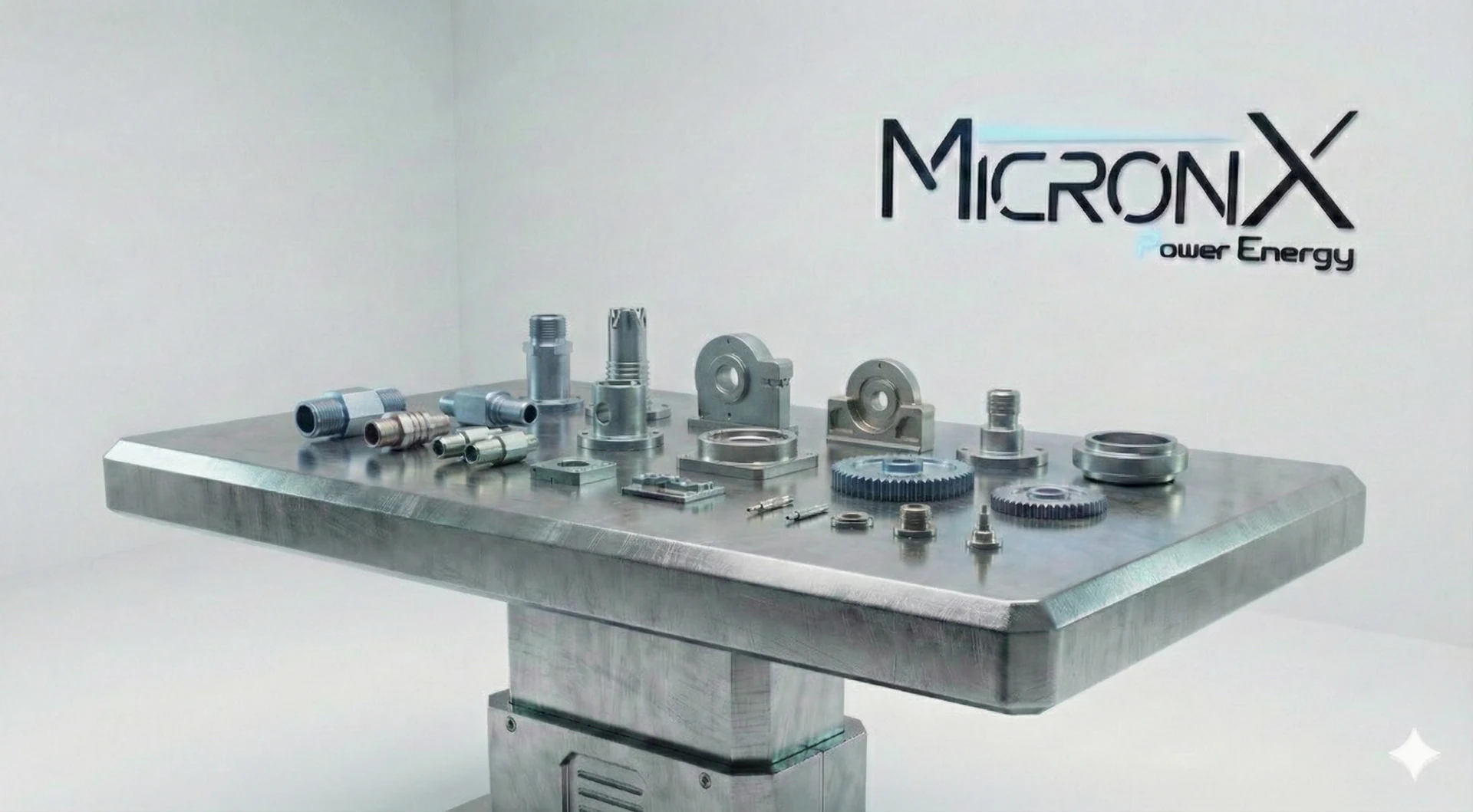
We design and manufacture the rectifiers: the surface finishing itself is then carried out by our customers on their own lines. Here are a few examples of parts from installations equipped by Micronics.
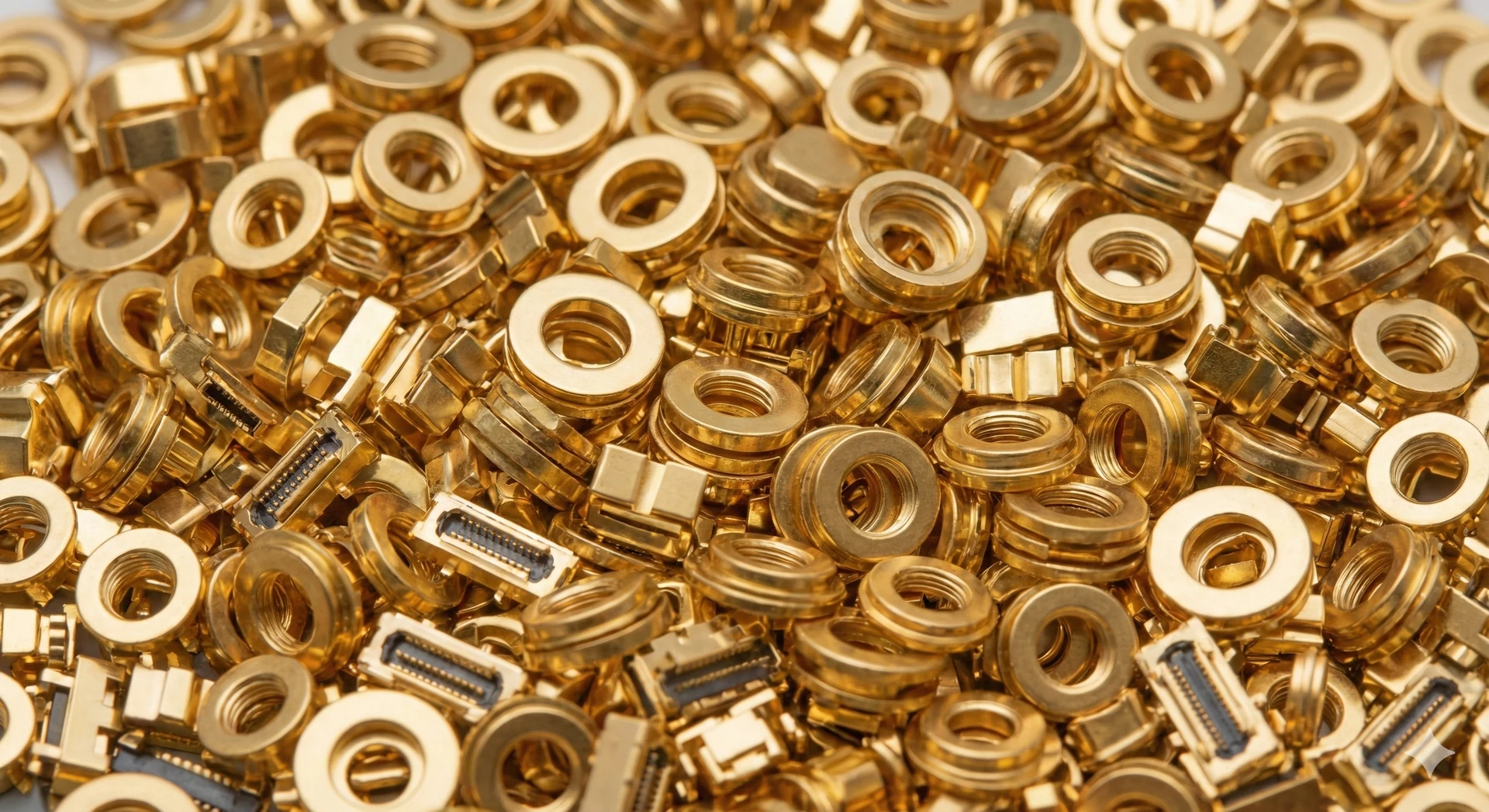 Gold plating
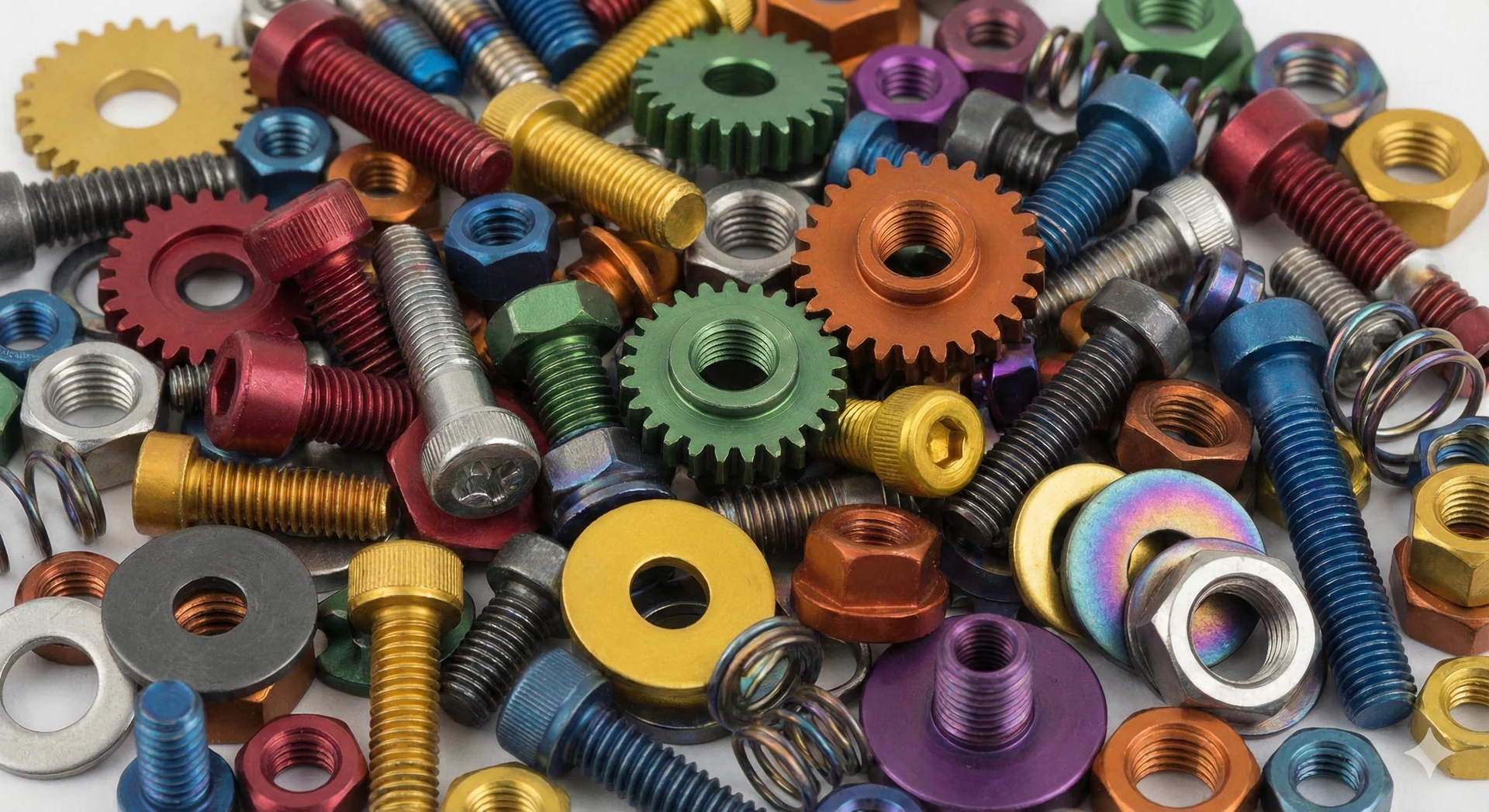 Colour anodising
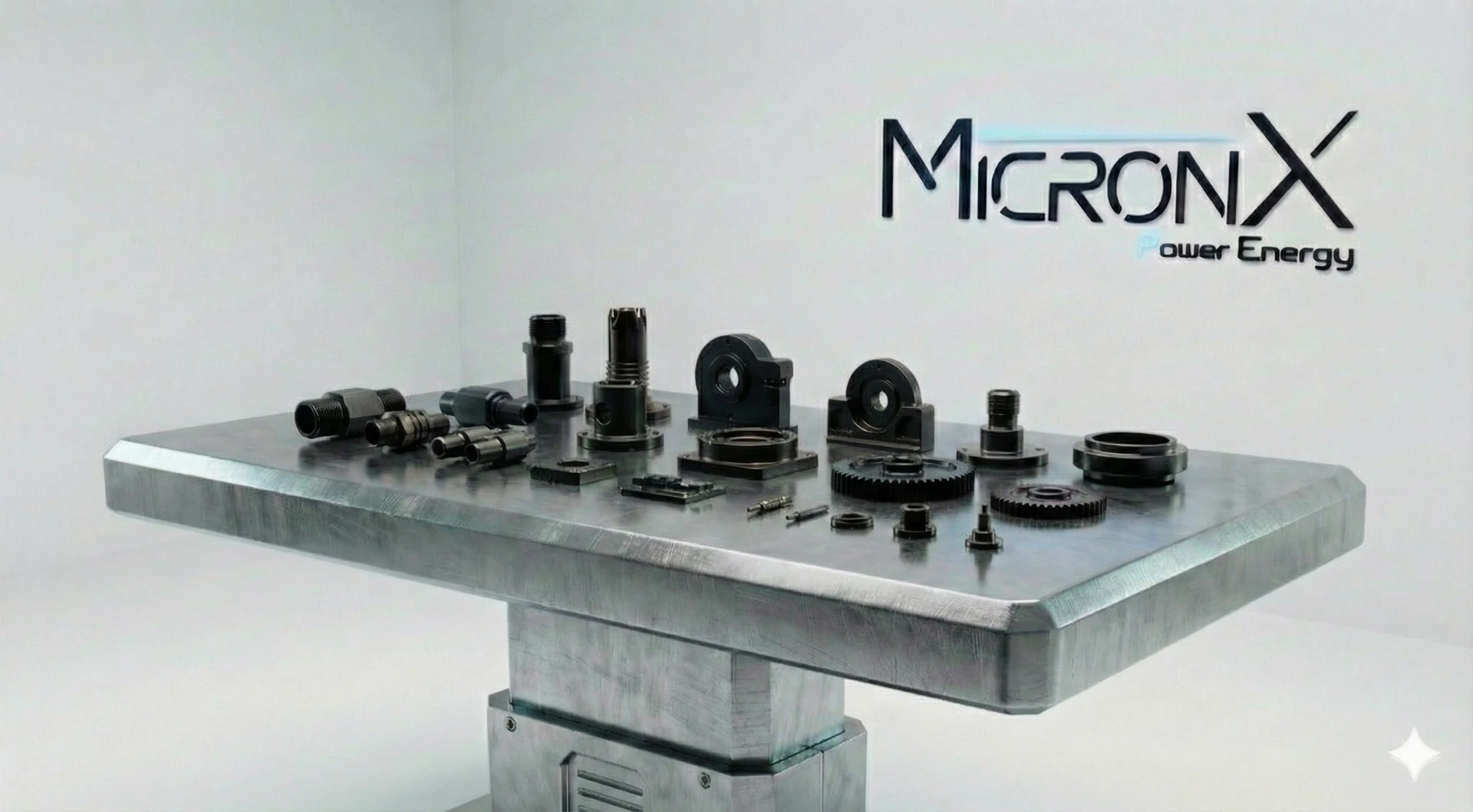 Black anodising
 Bronze
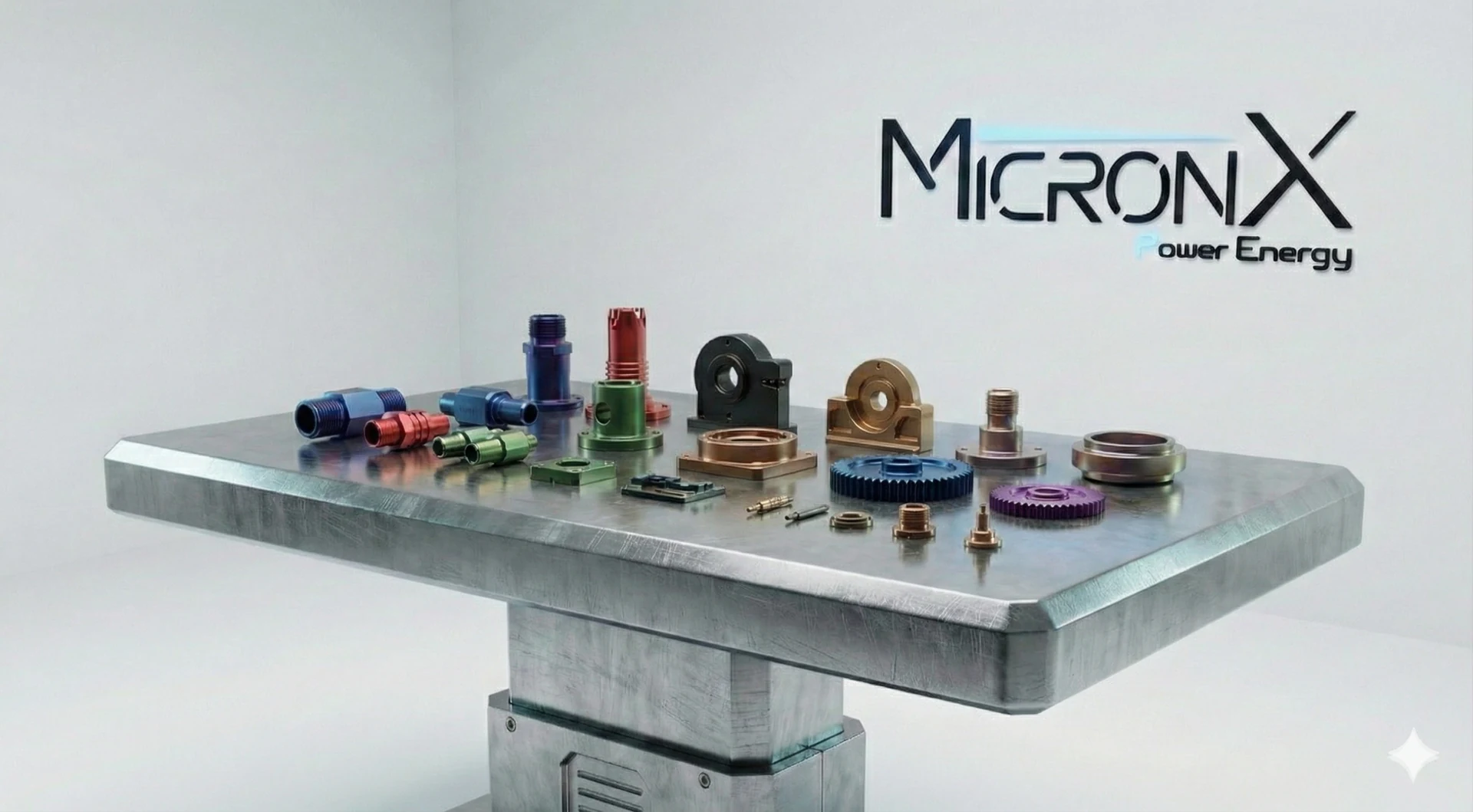 Colour anodising
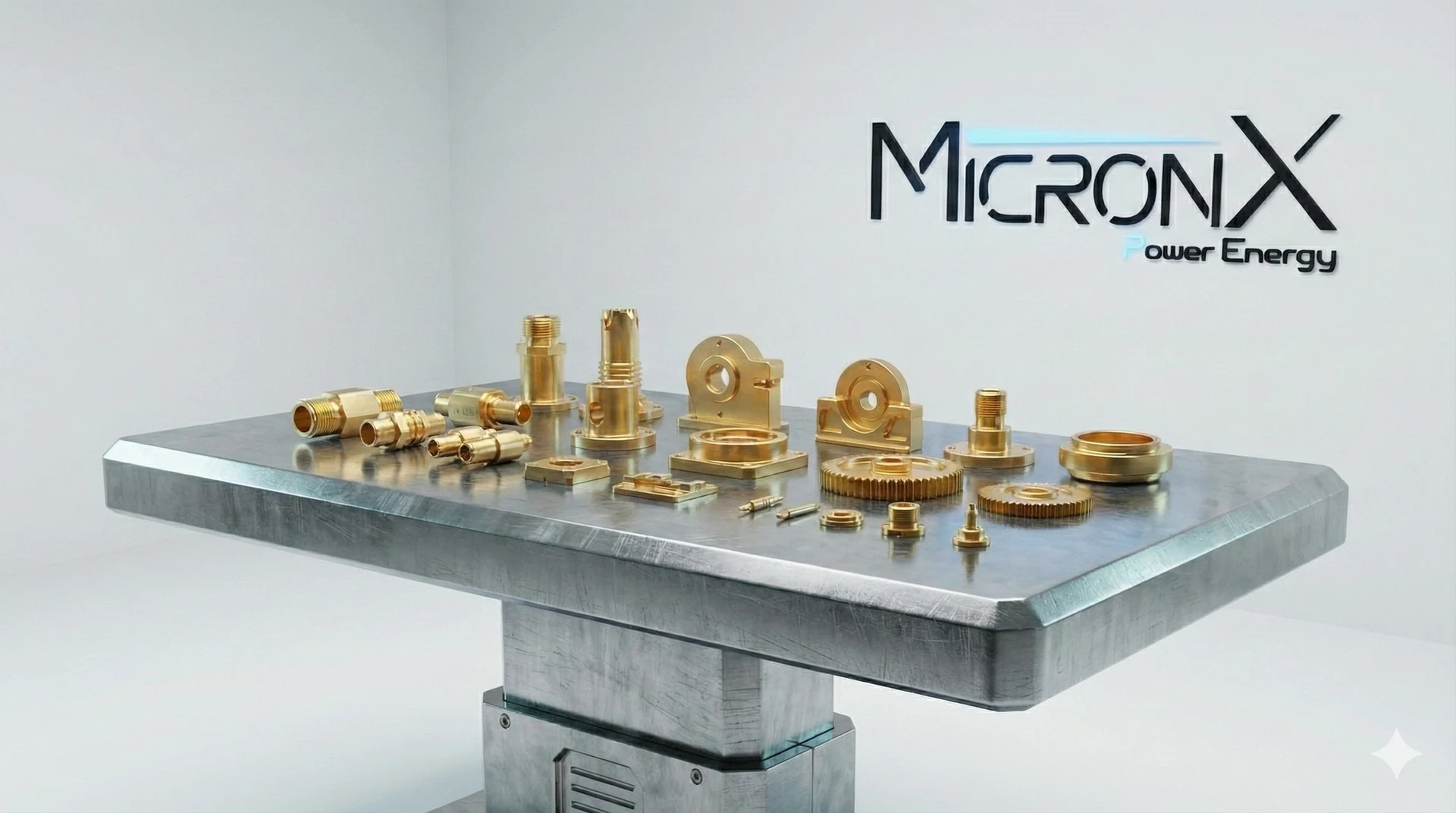 Gold plating
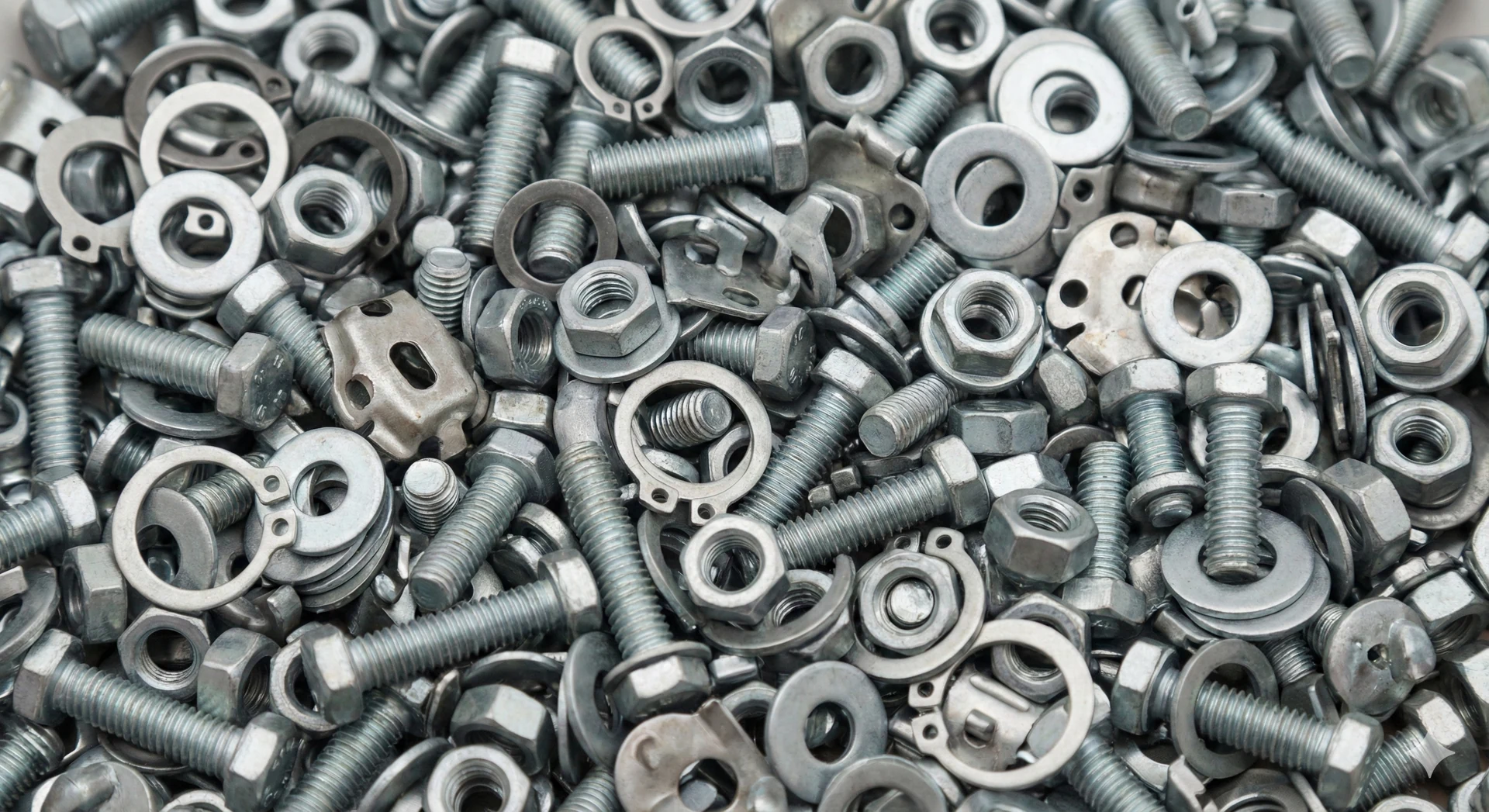 Treated parts
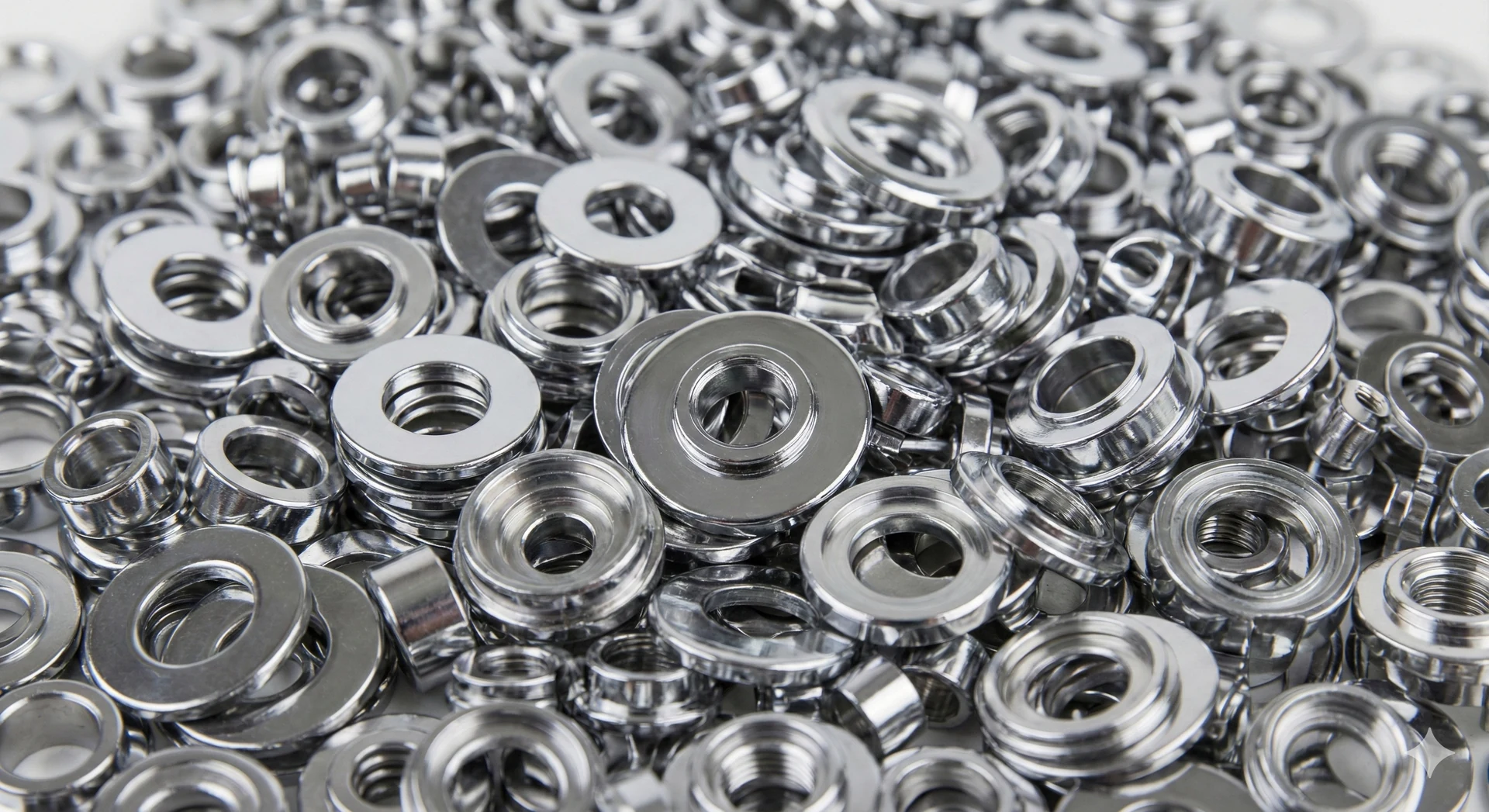 Treated parts
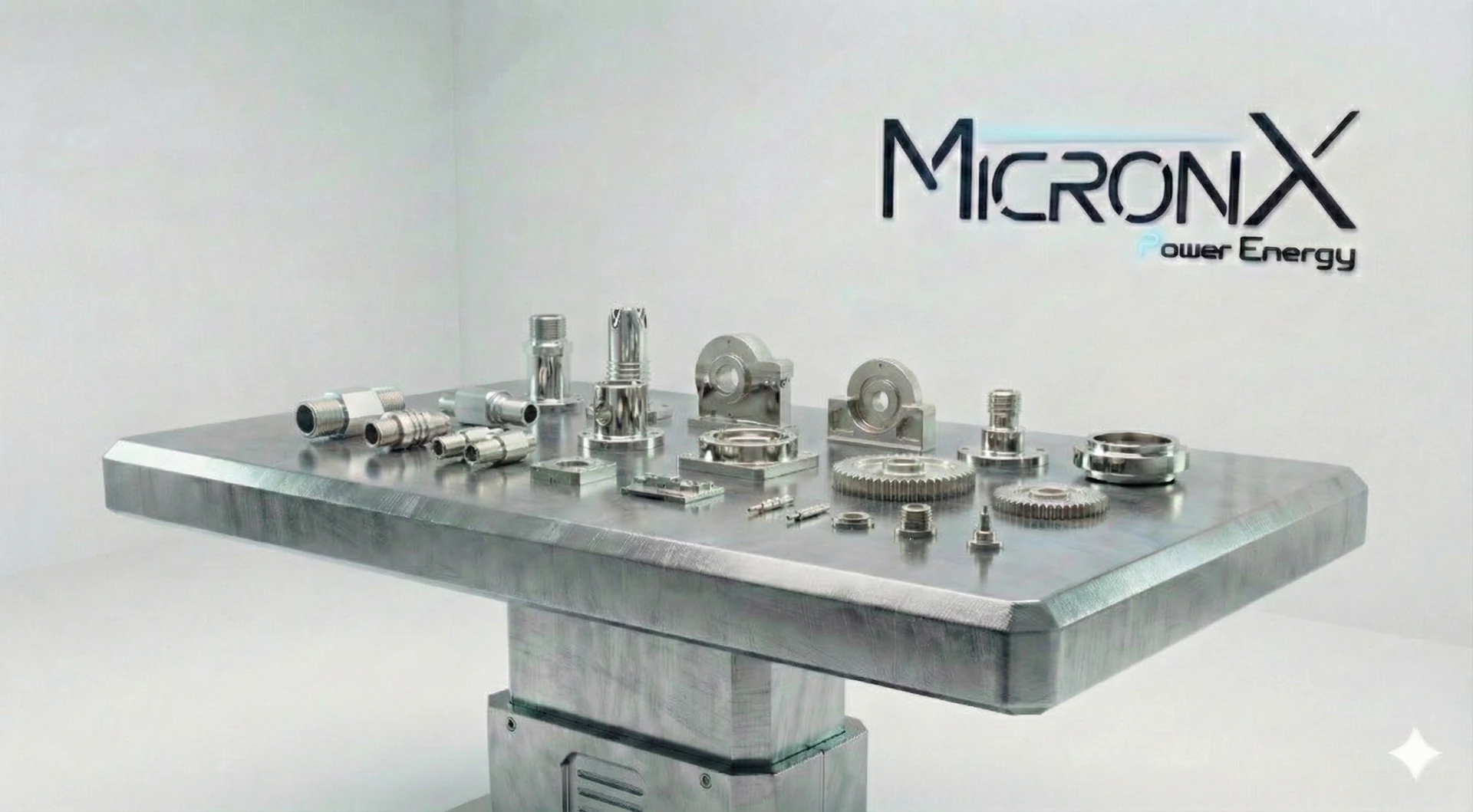 Treated parts
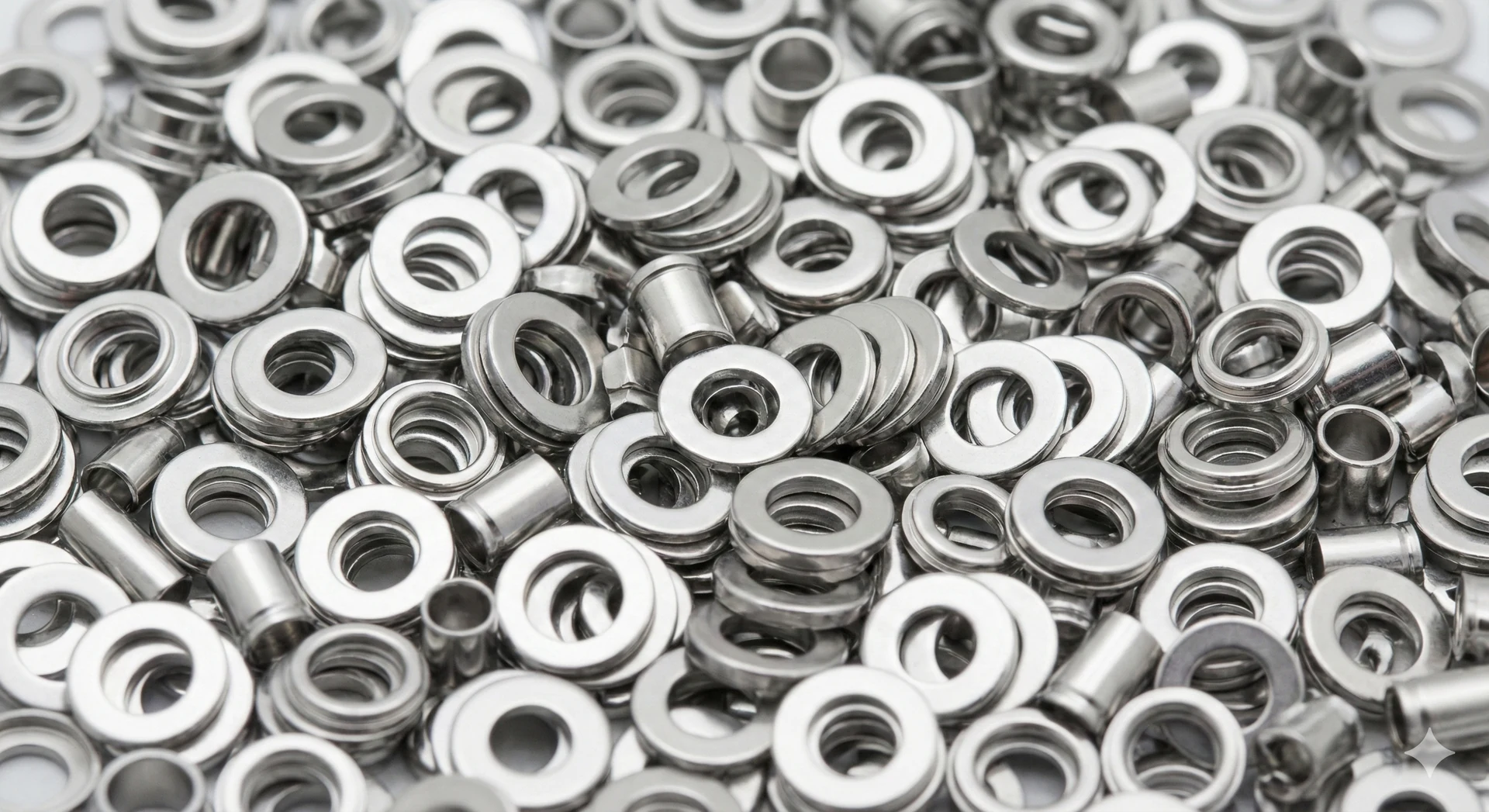 Treated parts
 Treated parts
Every process shown above relies on the same principle: passing a controlled electric current through a bath. The rectifier is the unit that produces and controls that current. It is largely what determines the quality of the result.
Whatever the process, there is no deposit at all without direct current: the comparison is about the quality of that current, between a supply that fluctuates and a regulated rectifier.
The mains network supplies alternating current (the ordinary current from a wall socket). But electrolytic surface treatments — electroplating, anodising, cathodic e-coating — only work with direct current. The rectifier performs that conversion: it turns the mains AC into direct current the bath can use.
But converting is not enough. What makes the difference is the control of that current. Under a fundamental physical law (Faraday's law), the amount of metal deposited is directly proportional to the quantity of electricity received by the part. In other words: controlling the current precisely means controlling the thickness, the consistency and the appearance of the deposit.
A quality rectifier delivers very smooth direct current, with minimal residual ripple. The more stable that current, the more even, adherent and bright the deposit — and the less scrap.
Beyond simple conversion, our rectifiers are built to secure production and quality, day after day.
A steady current, even on long runs, for an even deposit from one part to the next and far less scrap.
Thickness controlled to the nearest micron: the right amount of material, no more and no less — a key point with precious metals.
Controlled consumption on continuous production, to bring down the cost price of the treatment.
Equipment designed for intensive production, able to hold the load continuously without drift.
Our experts support you from study through to commissioning.