
Decorative or technical nickel deposits, where voltage stability directly determines the quality of the finish.
Micronics Systems designs rectifiers suited to this process: controlled voltage, reliable current and sustained performance, even on the most demanding lines.
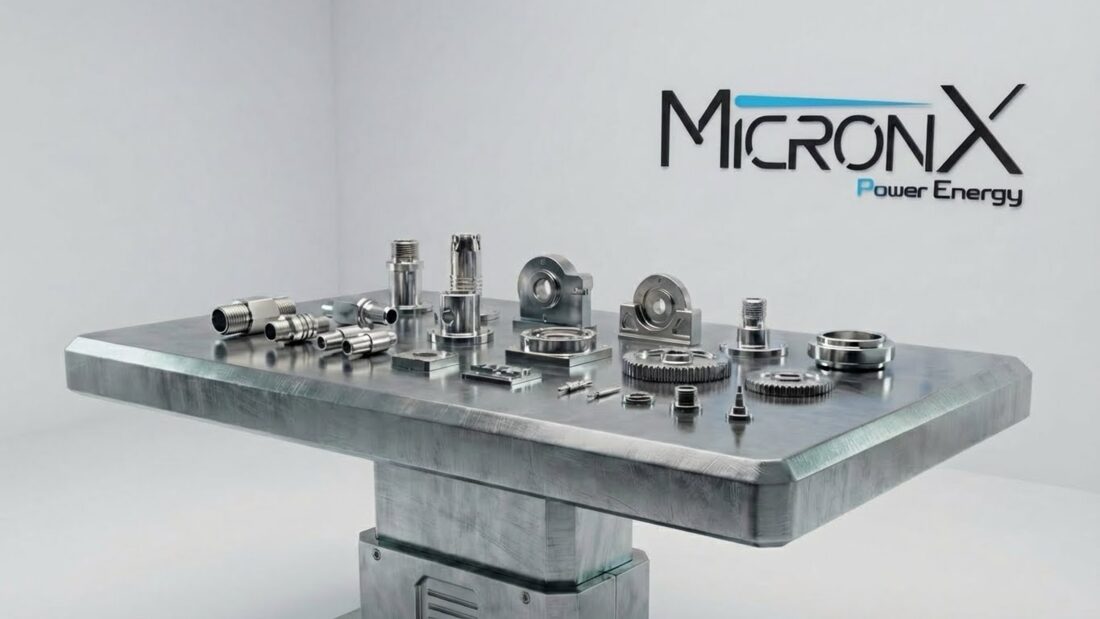
Nickel plating is an electrolytic deposit of nickel that can serve two purposes: decorative, for a bright, refined finish, or technical, to improve resistance to corrosion and wear and to provide a good base layer.
It is found both as a visible finish (taps, accessories, cosmetic parts) and as an undercoat: nickel very often serves as an intermediate layer before decorative chrome plating or another deposit. The quality of that undercoat directly determines the final appearance.
The key characteristic of nickel plating is its sensitivity to brightness : the finish (matt, satin or bright) depends closely on the stability of the voltage and current during deposition. The slightest irregularity is visible to the naked eye.
Cleaning and activation of the surface for perfect adhesion.
Under controlled direct current, the nickel deposits evenly.
The finish (satin, bright) comes down to how steady the voltage is.
Checking appearance and thickness before the next stage of the process.
There is no nickel deposit at all without direct current: the comparison is about the quality of that current, between a supply that fluctuates and a regulated rectifier.
In nickel plating, what is at stake is the quality of the visual finish . A voltage that fluctuates gives a dull, uneven or blotchy deposit — all defects that show up immediately, especially on cosmetic parts.
Micronics rectifiers deliver a stable, finely adjustable voltage — the condition for an even deposit and consistent brightness. That precision secures decorative finishes as well as technical undercoats intended to receive a further treatment.
Our experts support you from study through to commissioning.